How to change your car tyres
If there's no tyre-fitting service nearby, you can easily do the job yourself. From winter to summer tyres or for quick breakdown assistance: we'll show you how to change your car tyres.
What you'll need
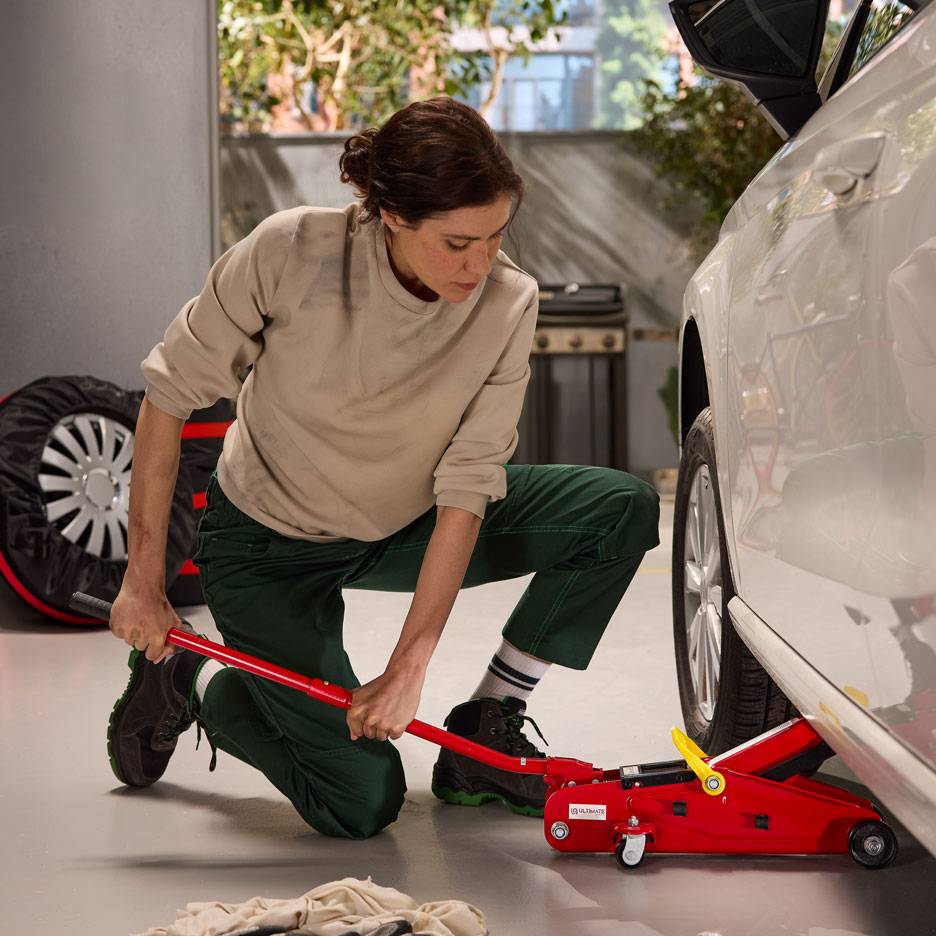
Most of us don't have a professional tyre changing machine at home, but it's still important to check you have the right tools for the job. There's no room for error when it comes to changing tyres – your safety on the road depends on it. In addition to your set of tyres, you'll need:
- Wheel brace
- Car jack
- Torque wrench
- Wire brush for cleaning
Top tip: When changing your tyres, rotate them regularly to new positions – from back to front, front to back, and diagonally. This will ensure they wear down evenly. Simply use chalk to mark the tyre's previous position. If your tyres have different tread depths, the ones with the deeper tread should always be fitted to the rear axle.
A 3 Step Guide
With a little experience, changing your tyres is straightforward. Even so, you should always have your vehicle's owner's manual to hand. It will tell you where to safely place the jack, the correct torque for the wheel nuts, the right tyre pressure, and more. Your vehicle is a complex machine, and safety is the top priority, so always follow the manufacturer's instructions.
With a bit of skill and precision, the job can be done quickly. However, if you don't feel confident taking on the task or you don't have the right tools, it's best to book your car in at a local garage.
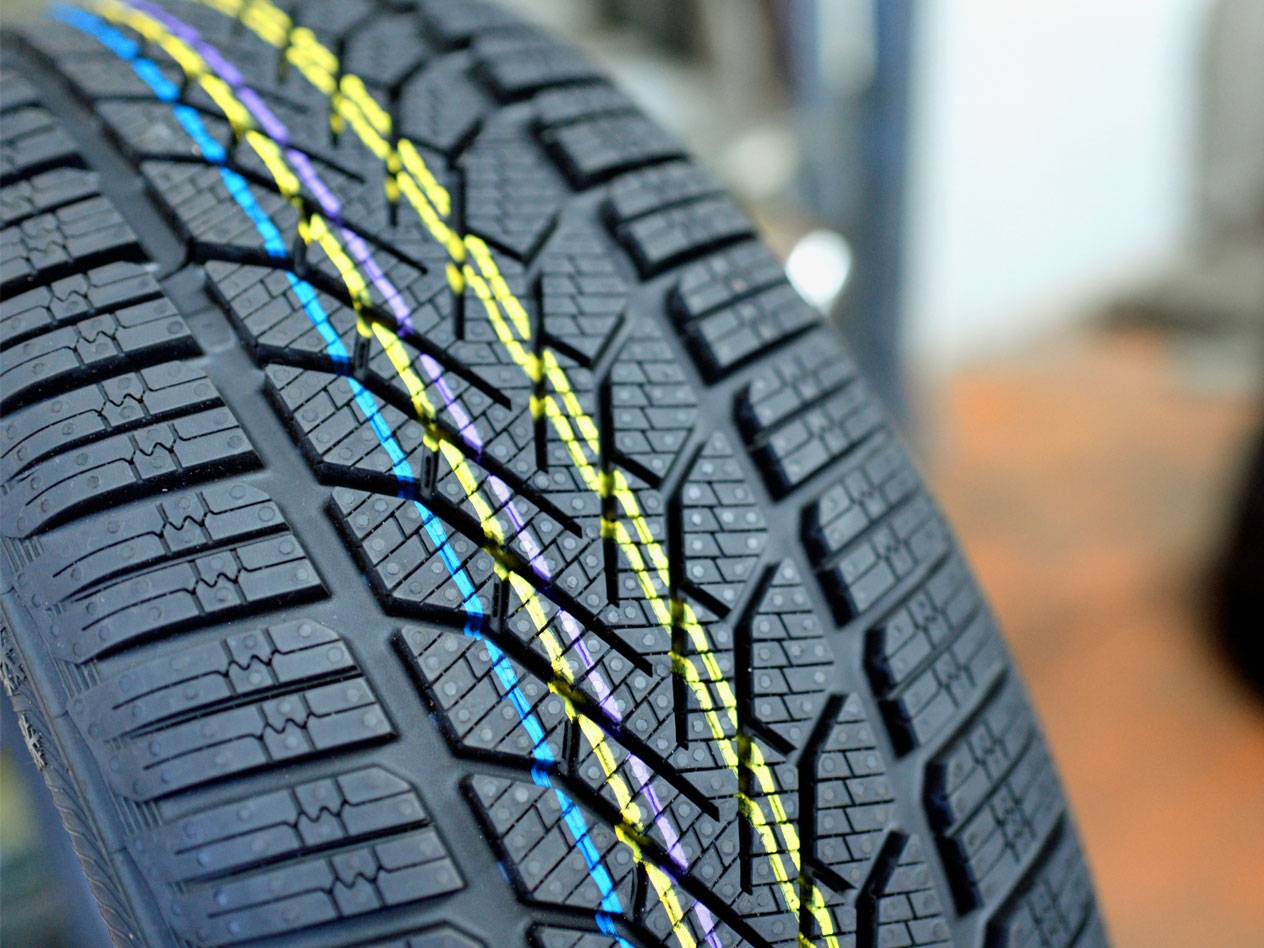 Step 1: Preparation
Check the new tires for damage and ensure the tread depth is at least 1.6 mm, or at least 4 mm for winter tires. Park your vehicle securely. Engage the parking brake and put the car in first gear.
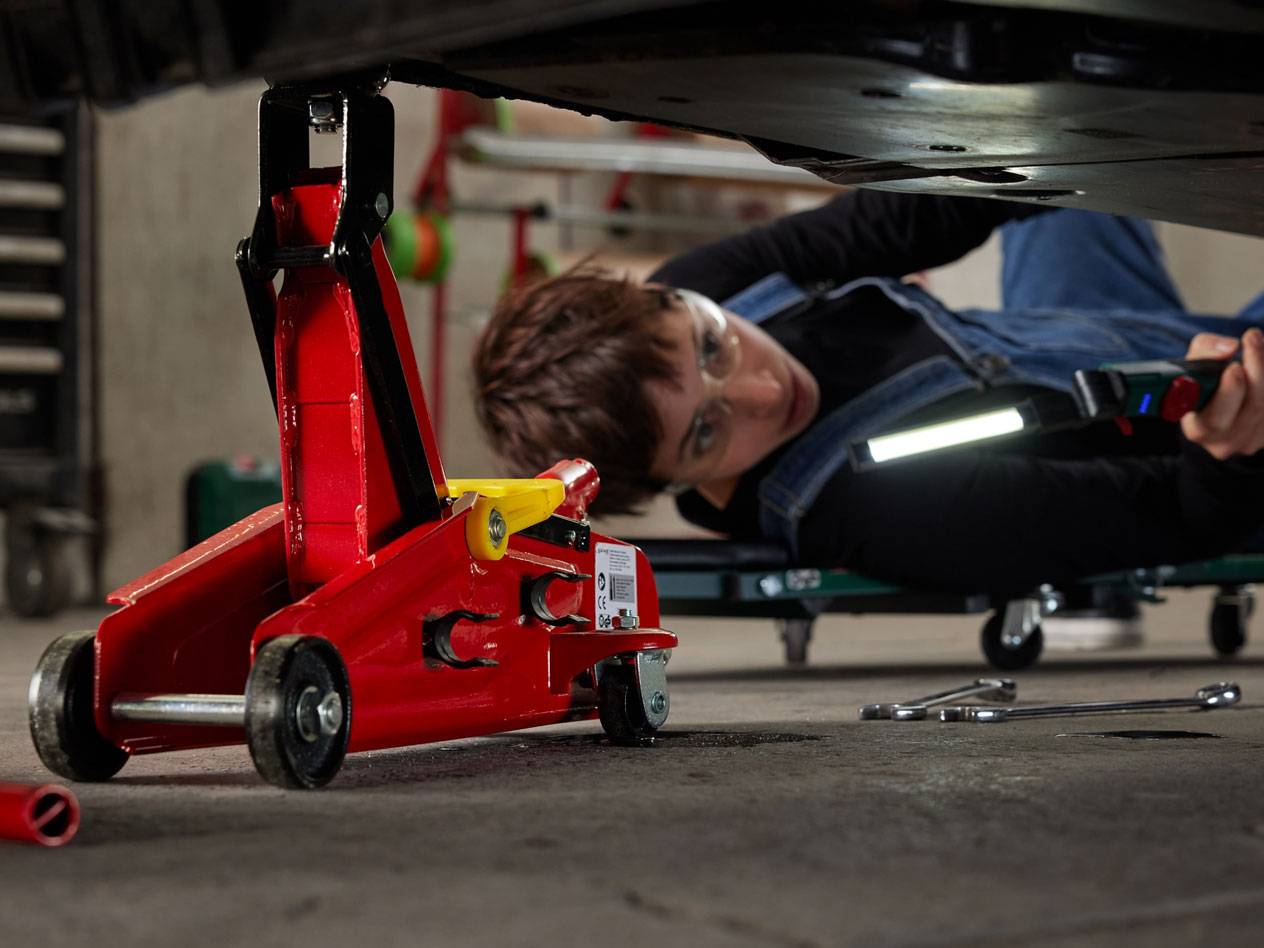 Step 2: Remove the tyres
Remove the wheel covers and loosen the wheel bolts crosswise using a lug wrench. Do not turn them more than a quarter turn. Position the jack and raise the car just enough so that the wheel moves easily. Unscrew the wheel bolts and remove the wheel.
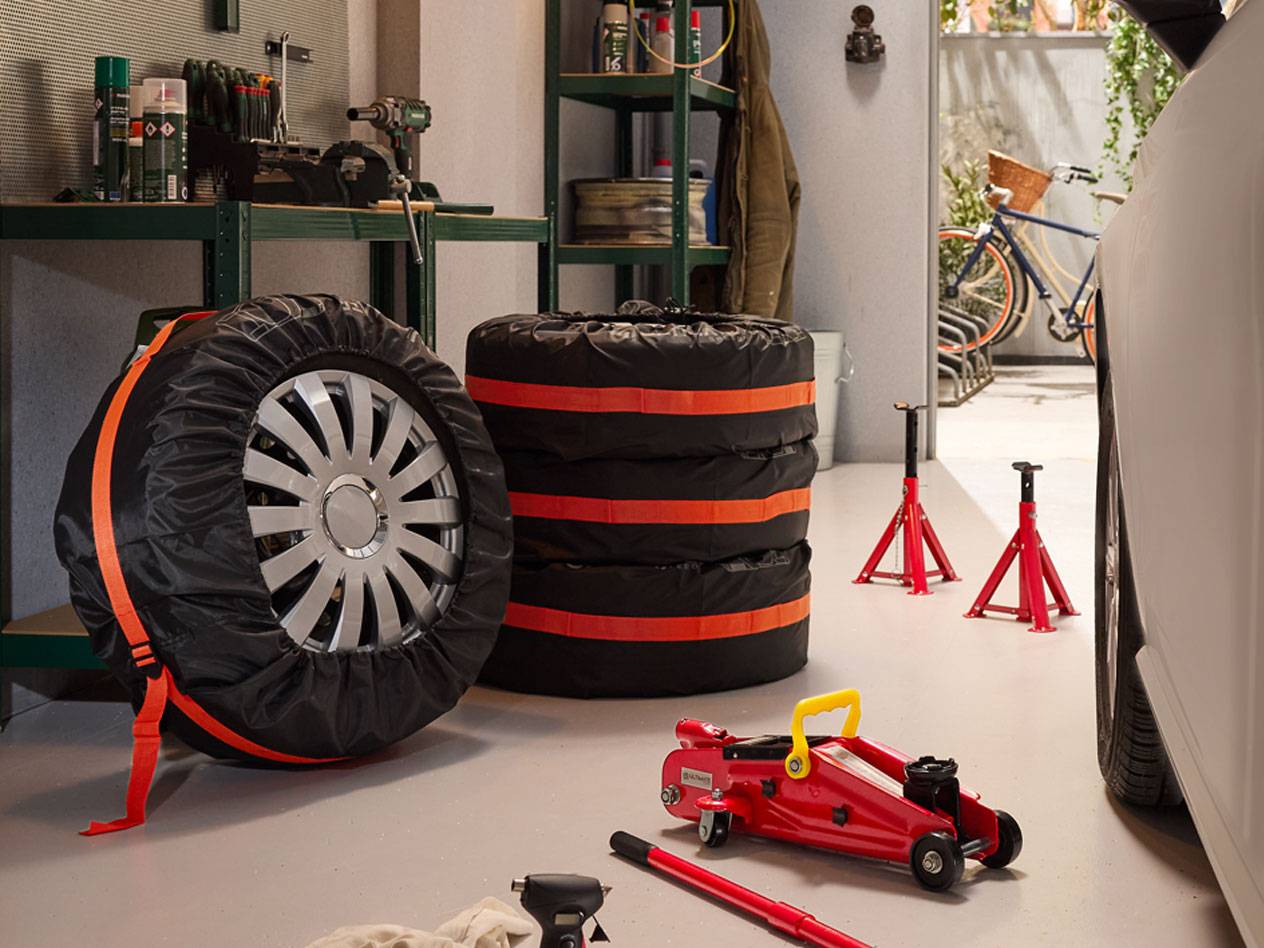 Step 3: Fit the tyres
Place the tire on the wheel hub, align rim holes, and secure them crosswise. Lower the vehicle & tighten the bolts using a torque wrench. Check tire pressure with a pressure gauge or petrol station. Direct TPMS systems must be reprogrammed by a professional
Pro Tip: When you're changing your tyres, it's a good opportunity to clean the wheel arches. This will remove dirt and build-up that can lead to rust. It's also a great time to clean your brakes. Use a special cleaner for this and remove any rust with a wire brush. If you notice any defects or significant wear, you should consult a professional.
Storing your tyres correctly
To make sure you can rely on your winter or summer tyres next time you change them, it's important to store them correctly. This will prevent damage and dirt. Here’s what you need to do:
- Inflate the tyres to about 0.5 bar above the manufacturer's recommendation. This way, it won’t matter if the tyres lose a little air during storage.
- Keep them in a dry place, protected from light. If you're using a garage, for example, make sure they are not exposed to frost.
- If you're storing tyres without rims, they must be stood upright and rotated every few weeks. This helps them keep their shape. Alternatively, you can stack them – but no more than four high due to the pressure on the bottom tyres.